Vera Reed · 23 September 2026
Adapting to Shifts in Search Engine Prioritization for Content-Heavy Platforms
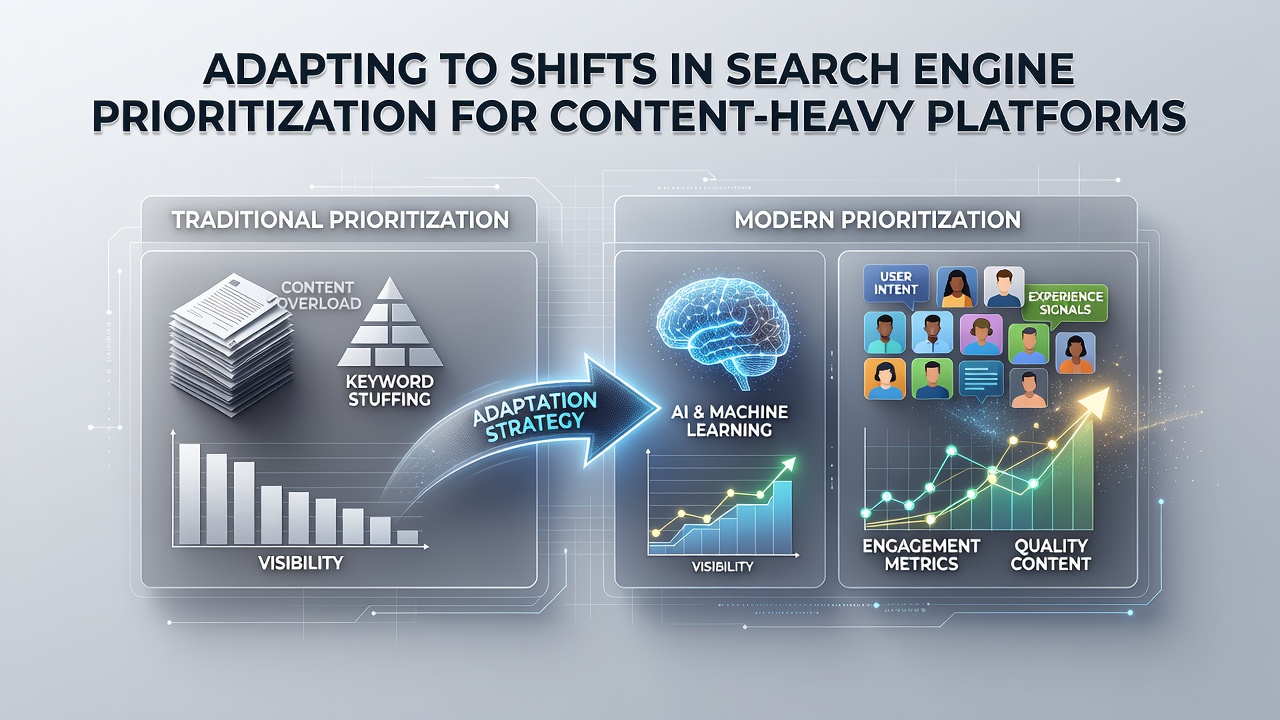
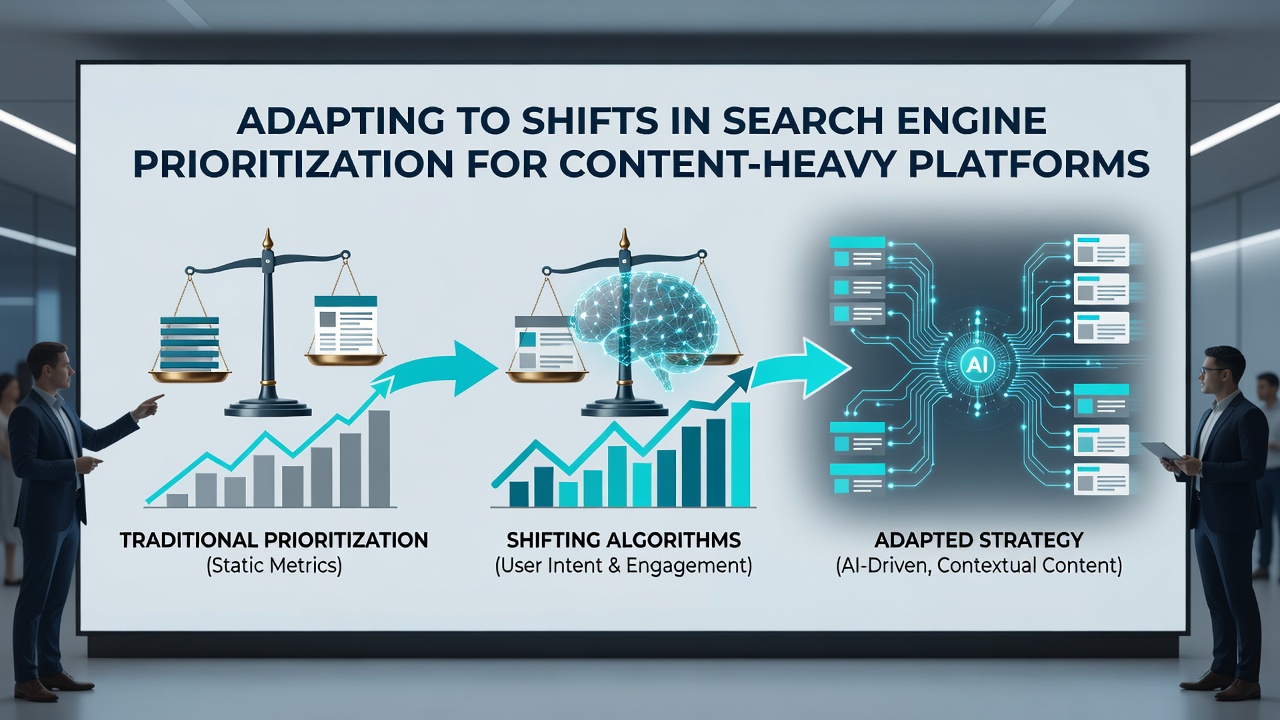
Search engines continuously refine their ranking systems to deliver more relevant results and content-heavy platforms must adjust their approaches accordingly because these platforms often manage thousands of pages across news archives, knowledge bases, and editorial sections. Data from multiple tracking services shows that major algorithm adjustments have altered how signals such as content depth, update frequency, and user engagement metrics interact with overall visibility, and platforms that monitor these patterns closely report measurable shifts in traffic distribution within weeks of each rollout.
Core Changes in Prioritization Signals
Recent updates have placed greater weight on demonstrated expertise within specific topics while reducing emphasis on volume alone, which means large sites now see indexing decisions tied more directly to page-level quality indicators rather than domain authority in isolation. Researchers at academic institutions have documented how crawl budget allocation favors pages that demonstrate clear topical authority through consistent updates and structured data implementation, and this approach has become especially noticeable on sites that publish across multiple verticals simultaneously.
Platforms handling high volumes of content face additional complexity because search systems increasingly evaluate how individual articles connect within broader site architectures, and observers note that internal linking patterns combined with freshness signals now influence whether pages receive regular recrawling or remain in secondary queues. In September 2026 several large content networks reported adjustments to their publishing calendars after observing that newly added material received faster initial indexing when paired with updated schema markup and cross-referenced older resources.
Technical Adjustments for Indexing Efficiency
Content-heavy platforms have implemented refined sitemap management and robots.txt configurations to guide crawler attention toward high-priority sections, and those managing dynamic content sections often combine these files with server-side rendering improvements that reduce load times for key pages. Figures from industry monitoring tools indicate that sites adopting these layered approaches experience more stable indexing rates even during periods of heightened crawler activity following major updates.
One practical step involves auditing crawl statistics through server logs to identify under-indexed sections, after which teams can prioritize internal link consolidation and removal of duplicate or thin material that previously consumed budget without contributing to visibility. This process allows platforms to maintain comprehensive archives while directing resources toward pages that align with current prioritization criteria.
Content Structuring and Update Protocols
Teams at enterprise-scale sites have shifted toward modular content frameworks that allow individual sections to receive targeted refreshes without requiring full page overhauls, and this method supports ongoing alignment with signals that reward recency and depth. Research indicates that platforms incorporating regular review cycles for evergreen material see steadier performance across algorithm transitions compared with those relying solely on new publication volume.
Structured data plays an expanding role because search systems use it to understand relationships between articles and broader topics, which helps platforms surface relevant clusters during user queries. Those who have studied large-scale migrations note that consistent application of schema across content types correlates with improved eligibility for enhanced result features, and this advantage compounds when combined with clear author attribution and source references.
Monitoring and Response Frameworks
Effective adaptation relies on continuous tracking of performance metrics across segments rather than aggregate domain statistics alone, and platforms that segment their analytics by content category or publication date often detect emerging patterns earlier than those using broader reporting. Official documentation from search providers outlines the types of changes that affect indexing behavior, while reports from research organizations such as the Pew Research Center provide context on user behavior shifts that indirectly influence prioritization.
Cross-functional teams that include technical SEO specialists, editorial staff, and data analysts coordinate responses more effectively when they establish shared dashboards that highlight indexing status alongside engagement metrics, and this integration reduces the lag between identifying an issue and implementing adjustments.
Conclusion
Content-heavy platforms continue to refine their processes in response to evolving search engine prioritization because sustained visibility requires ongoing alignment between technical infrastructure, content practices, and monitoring systems. Organizations that maintain structured review cycles and leverage available data sources position themselves to respond promptly when new signals emerge, and this adaptability supports stable performance across successive updates.